

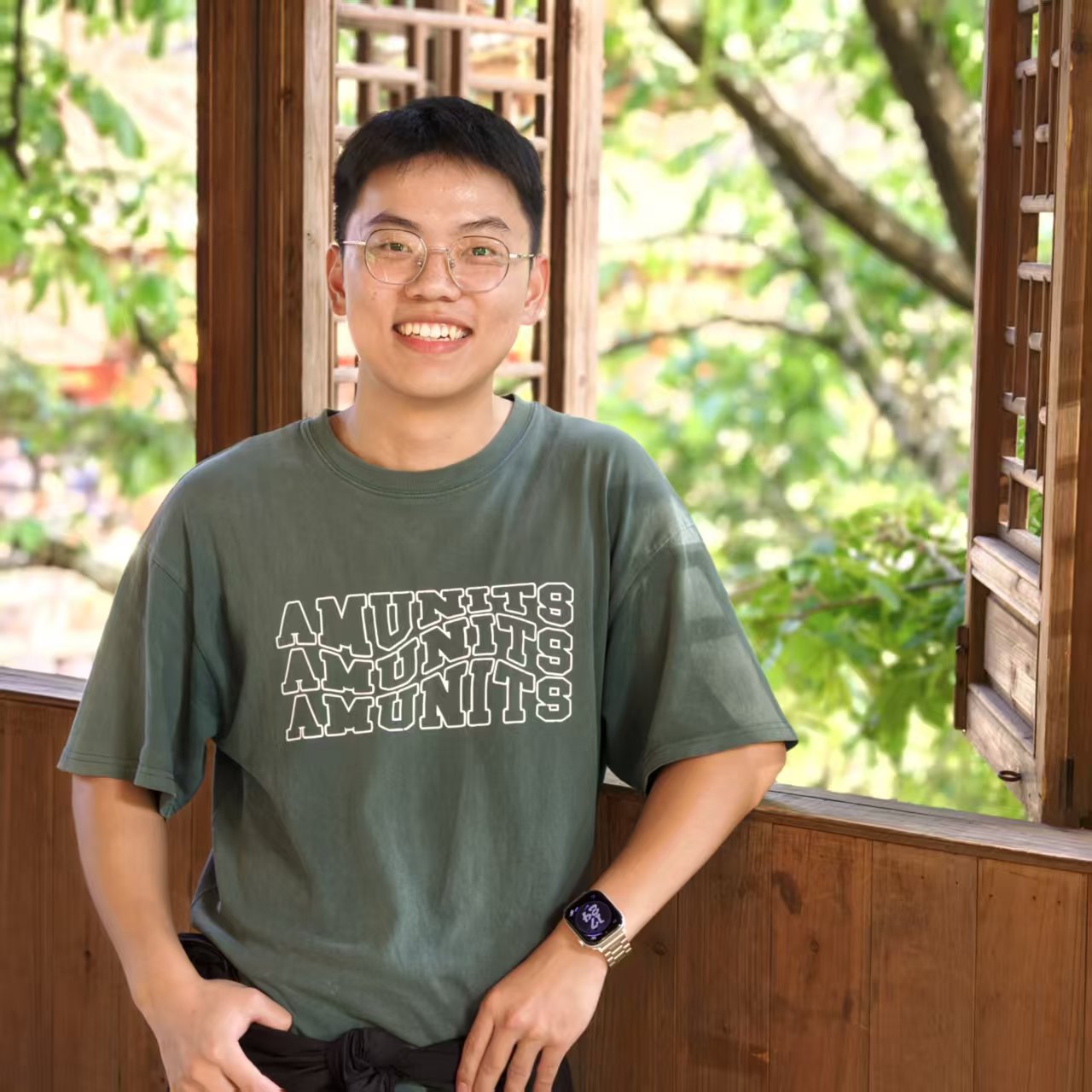
In this interview, Ganggang Wang, a student at South China University of Technology and winner of the Extrusion Section at the 2026 International Student Olympiad on Metal Forming Processes, shares his preparation secrets, talks about his experience taking part in the competition, and offers advice to future Olympiad participants.
I have been using QForm for over a year now. I still remember that my first encounter with QForm was in the summer of July 2025. My supervisor, Professor Huang Zhenyuan, focuses her research on intelligent forming, and my own project is also centred on aluminum profile extrusion in plastic forming. It was under these circumstances that I came to know QForm and began using it to verify and refine my design solutions.
Before the Olympiad, I thoroughly familiarised myself with QForm’s pre processing (mesh generation) and post processing workflows, including setting process parameters and selecting appropriate materials. After gaining proficiency in QForm, I downloaded previous years’ competition problems from the official QForm website, practised solving them, and wrote corresponding reports. I then asked Engineer Sun from QForm’s Chinese distributor to review my work and provide suggestions for improvement. Beyond mastering QForm, I also learned to use UG modelling software, mainly to implement modifications to the die designs until the simulation outcomes met the problem requirements. As for a specific strategy and training schedule: in the month before the competition, I persisted in performing one simulation analysis and writing one report every day, and I also built two die models daily. In addition, I made it a habit to read two research papers on aluminium extrusion every day.
First and foremost, I would not have had the opportunity to participate in this competition without the support and assistance of my supervisors, Professor Huang Zhenyuan and Professor Pan Jianyi. During the preparation, I am also extremely grateful to Engineers Liu Hanlong and Sun Like from Beijing Chuanglian Zhiruan Technology Co., Ltd., QForm’s Chinese distributor. Whenever I encountered problems with software settings, mesh generation, or model construction, they generously offered their help and guidance.
This competition is not only a test of professional knowledge, but also an ultimate challenge of patience, meticulousness, and problem‑solving ability.
During the preparation, my main technical challenge centred on mesh generation, especially for models with highly complex die geometries. I vividly recall that in one practice session, the initial meshing step triggered an immediate crash of QShape, likely due to the presence of bad surfaces. At first, I tried reducing the mesh size to resolve the crash, but the bad surface issue persisted. Subsequently, I used QShape to fine tune the die geometry by reducing regions of excessive curvature, which successfully eliminated the bad surfaces. However, during the subsequent bearing detection step, the software crashed again because it could not correctly recognise the bearing geometry. I then turned to the Ansys SpaceClaim plug in to check for interferences and erroneous faces, correcting each issue I found. After exporting the repaired die and re attempting meshing in QShape, the software still crashed. After repeated troubleshooting, I finally identified the root cause: the bearing surfaces were originally curved, which hindered proper identification. By modifying those curved surfaces into planar faces, I resolved the problem once and for all.

To be honest, when I heard the news, I was filled with joy and excitement. This honour is not only a recognition of the hard work I put into my preparation, but also an affirmation of my long‑term persistence and dedication. It made me deeply feel that every drop of sweat has not been in vain.
I believe the key to success lies in perseverance and courage. Perseverance determines how deep we can go in our professional field, giving us the strength to keep cultivating our expertise; courage determines how high we can aim, inspiring us to continually break through our limits and embrace challenges. The two complement each other and are equally indispensable.
In my view, today’s successful engineers need three core competencies. First, a solid theoretical foundation and strong simulation analysis capability. Software is merely a tool; what truly determines the reliability of simulations is a profound understanding of the underlying physics, numerical algorithms, and geometric logic. Only by comprehending the mechanical and material behaviours behind the model can one correctly set boundary conditions and identify anomalous results, rather than operating blindly. Second, systematic diagnostic and critical thinking skills. Engineering problems rarely follow a script; successful engineers remain calm in the face of errors or invalid results, systematically investigating from assumptions, mesh, boundaries, to algorithms, and precisely pinpointing the root cause. This ability to trace from symptoms to essence is honed through repeated trial‑and‑error and deep reflection. Third, interdisciplinary collaboration and the resilience for continuous learning. Modern engineering has long surpassed single‑domain boundaries; it requires knowledge across materials, manufacturing, data science, and more, as well as effective communication with colleagues from diverse backgrounds. Moreover, technological evolution is accelerating; only by maintaining a proactive learning attitude and enduring repeated failures with patience can one keep improving and move steadily forward in practice.
In summary, a successful engineer is not only a hands‑on practitioner who pays attention to details, but also a systems thinker with a holistic view, and above all, a long‑termist who perseveres through setbacks.
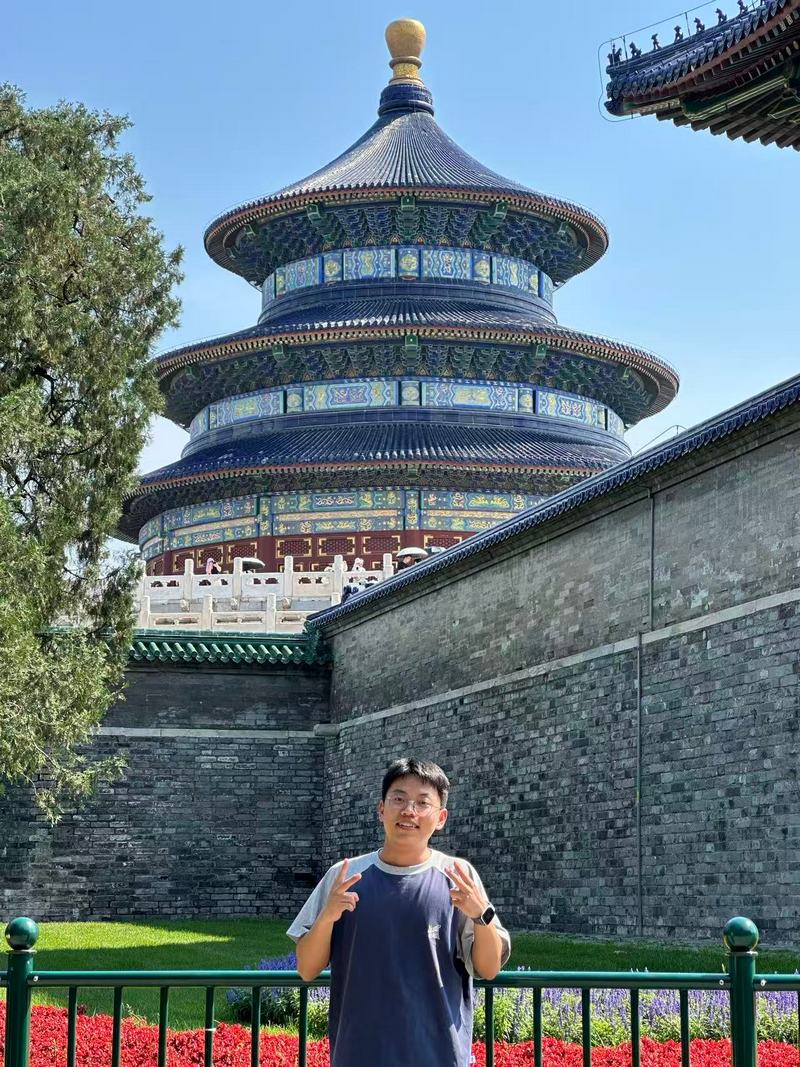
This competition is not only a test of professional knowledge, but also an ultimate challenge of patience, meticulousness, and problem‑solving ability. From my own experience of wrestling with mesh generation and geometry repair, I have come to deeply appreciate that true progress often hides in those crashes and error messages that nearly drive you to despair. Every software crash forces you to understand the essence of your model more deeply; every bad‑surface repair sharpens your sensitivity to geometric logic.
Therefore, I would like to share three pieces of advice: First, start early and build a strong foundation – learn the basic knowledge relevant to your track well in advance; this is the “fundamental skill” for metal forming simulation, and become familiar with the operations of QForm and UG modelling software. Second, keep detailed records and review them regularly – document every failed operation, error code, and solution path; these records will become your most reliable “fault dictionary” later on. Third, stay calm and be willing to ask for help – when you encounter a stubborn problem, do not work in isolation; actively consult literature, forums, or ask your supervisors and engineers for advice – often a single hint can illuminate the way forward.
International Students Olympiad on Metal Forming Processes is held every year in April or May. Student Olympiad is our contribution to the education progress. The aim of the Olympiad is to build a professional community, to create a strong relationship between educational institutions and production companies. We are trying to motivate students to study modern simulation and manufacturing technologies. Students get an opportunity to build their professional portfolio, and companies get an opportunity to find talented and perspective specialists.
Read about the details of participating in the Olympiad, reports from previous years, and the rules on the Olympiad's official website.
